What Does a Home Inspection Include in New Brunswick?
A home inspection in New Brunswick includes a non-invasive, visual examination of a property's physical structure and mechanical systems. It covers the roof, foundation, exterior, plumbing, electrical, and HVAC systems to identify defects or safety issues before you finalize a residential purchase or start seasonal maintenance.
TL;DR: The Home Inspection Checklist
- Structural Integrity: Foundation, walls, and attic.
- Exterior Features: Siding, windows, and drainage.
- Roofing Systems: Shingles, flashing, and gutters.
- Interior Infrastructure: Electrical, plumbing, and HVAC.
- Safety Checks: Smoke detectors and carbon monoxide.
What Does a Home Inspection Include in New Brunswick?
When you hire a professional for a residential property inspection , you are paying for a comprehensive health check of your house. In the unique climate of New Brunswick—where we face heavy snow, high humidity, and spring thaws—the inspection scope is tailored to address local environmental stressors. At Trueform Inspections, we follow a rigorous process to ensure that no major system is overlooked. The inspection is not a pass/fail test, but rather an educational tool that helps you understand the current state of the property. It covers everything from the grading of the soil around your foundation to the temperature of the air coming out of your vents.
Understanding the scope of a standard inspection is vital for setting expectations. While the inspector will look at hundreds of items, they do not look behind walls or under floors. The inspection is visual, meaning we use our eyes, flashlights, and moisture meters to detect signs of hidden trouble. Whether you are in Fredericton or Oromocto, the standard remains the same: a detailed look at the core components that make a house safe and livable. This transparency allows buyers to negotiate fairly and allows homeowners to prioritize their maintenance budgets efficiently.
Standard Components of a Residential Inspection
The standard residential inspection is divided into several major categories to ensure an organized workflow. By categorizing the house into systems, the Trueform Inspections team can provide a report that is easy to read and act upon. We start with the high-level structural items and move down to the fine details of the interior finishings. This systematic approach ensures that even the smallest anomalies are documented for your review.
- Foundational Stability: Checking for cracks or shifting.
- Building Envelope: Assessing siding, trim, and seals.
- Utility Systems: Evaluating power, water, and heat.
- Attic and Insulation: Looking for proper ventilation.
- Safety Hazards: Identifying immediate risks to occupants.
Why is the Foundation Inspection Critical?
In New Brunswick, the foundation is the most important part of any residential property inspection . Our heavy clay soils and high frost line mean that foundations are subject to immense pressure during the winter freeze-and-thaw cycles. A foundation inspection includes looking for signs of settlement, such as stair-step cracks in masonry or bowing in basement walls. If the foundation is compromised, the entire structure above it is at risk. We also examine the basement or crawlspace for signs of water intrusion, which is often a precursor to structural decay or mold growth.
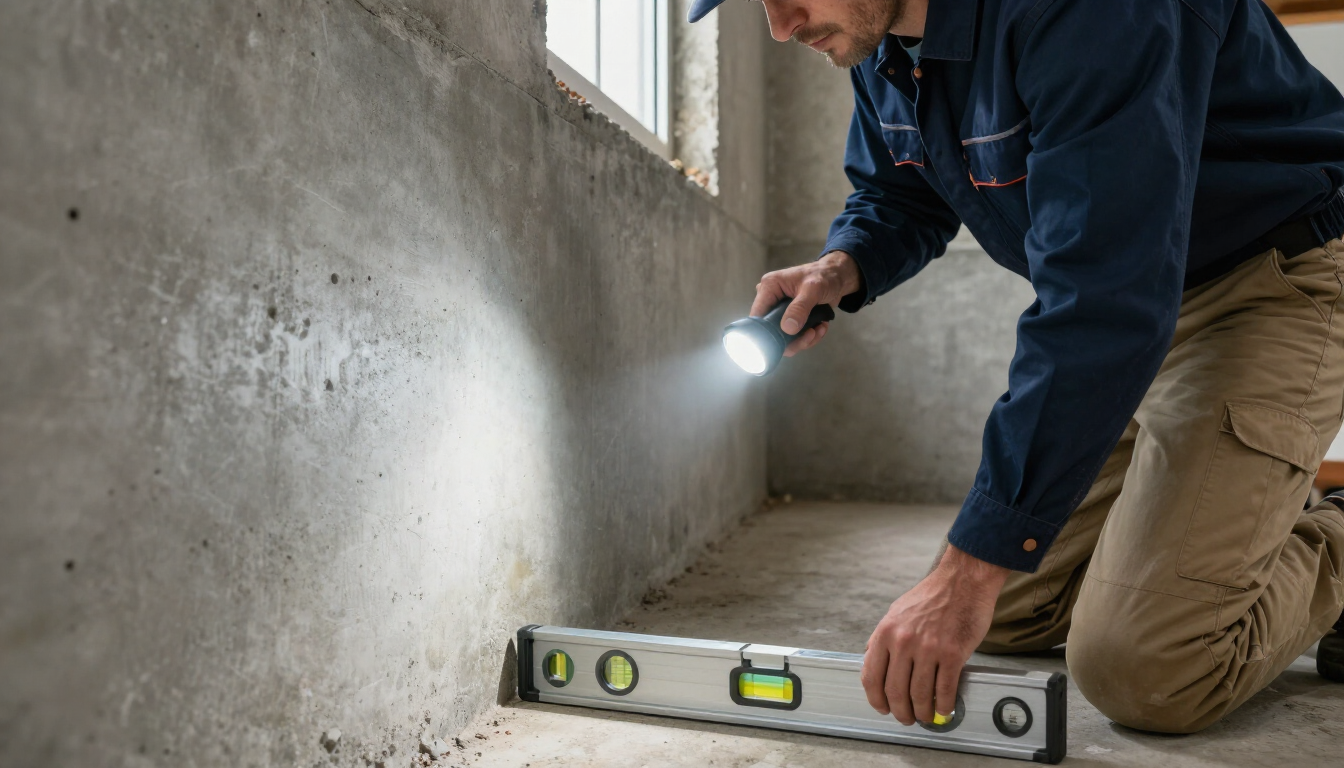
Inspectors also check the "sill plate," which is where the wooden frame of the house meets the concrete foundation. In older homes across Fredericton and New Maryland, this area is prone to rot if moisture has been allowed to sit against the wood. By identifying these issues early, homeowners can implement drainage solutions or structural repairs before the damage becomes a five-figure expense. We look for evidence of efflorescence, a white powdery substance left behind by evaporating water, which signals that moisture is regularly passing through the concrete.
Exterior and Roofing Assessment
The exterior of your home is its first line of defense against the elements. An inspection includes a thorough look at the siding materials, whether they are vinyl, wood, or brick. We look for gaps, cracks, or improper installation that could allow water to penetrate the building envelope. Additionally, we evaluate the grading of the yard. The ground should always slope away from the house to prevent water from pooling at the foundation. This is a common issue in New Brunswick that can lead to basement flooding during the heavy spring rains.
- Gutter Alignment: Ensuring water flows away from walls.
- Window Seals: Checking for drafts or failed panes.
- Deck and Porch Safety: Looking for loose railings.
- Driveway Drainage: Assessing for water accumulation areas.
- Siding Condition: Identifying loose or damaged panels.
The roof is perhaps the most scrutinized exterior element. A home inspector will assess the age and condition of the shingles, looking for curling, blistering, or missing granules. We also check the flashing around chimneys and vents, as these are the most common points of leakage. A well-maintained roof is essential for preventing interior damage, and our goal is to give you an estimate of how many years of life the roof likely has left.
How Does New Brunswick Weather Affect Inspections?
The local climate plays a massive role in how we interpret findings during a residential property inspection . In the Maritimes, we deal with extreme temperature swings that cause building materials to expand and contract. This can lead to frequent roof leaks or siding issues. During a winter inspection, we may pay extra attention to ice damming—a situation where heat loss through the roof melts snow, which then refreezes at the gutters. This can push water back under the shingles and into the walls of the home.
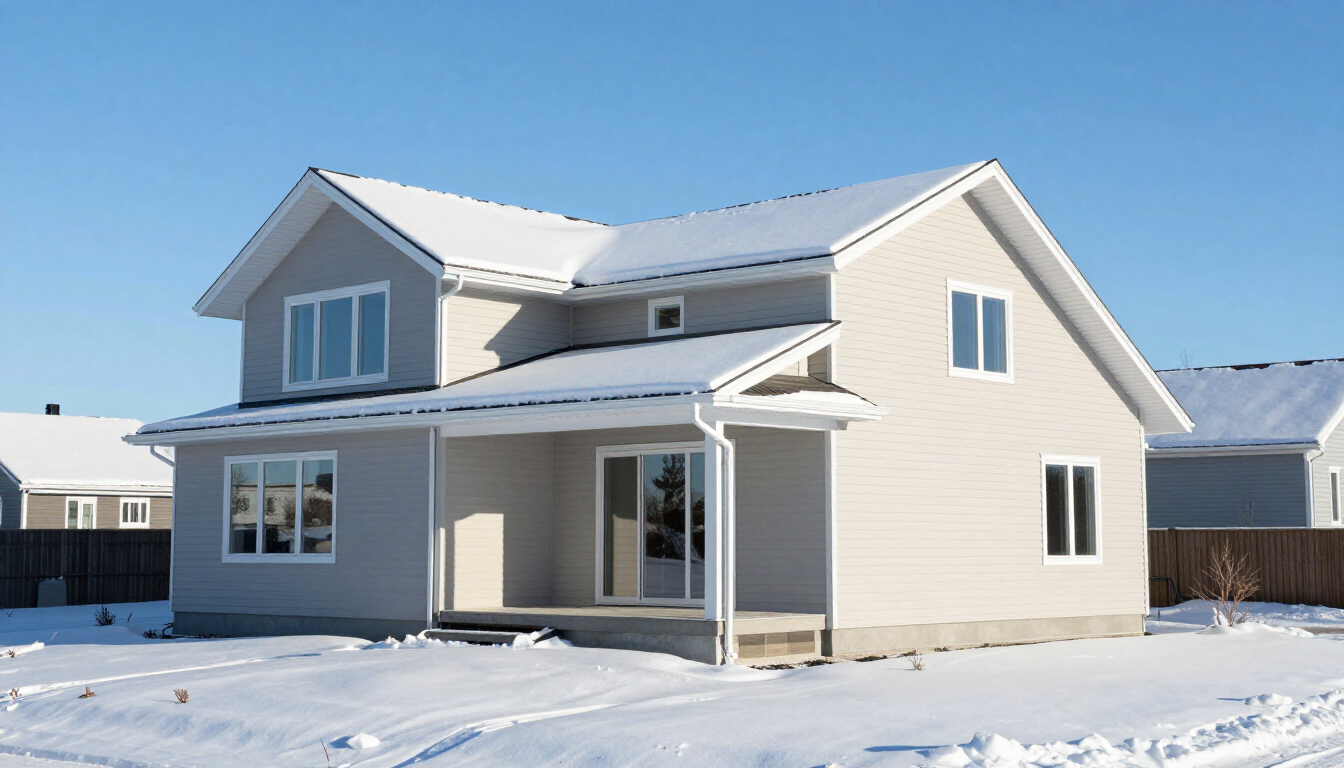
Humidity is another local factor. New Brunswick summers can be quite damp, which increases the risk of moisture problems in basements and crawlspaces. When we perform an inspection, we look for signs that the home's ventilation system is capable of handling this humidity. Without proper airflow, even a small leak can quickly turn into a significant mold issue. Understanding these regional nuances is why choosing a local expert from the Trueform Knowledge Hub is so beneficial for buyers in the Fredericton area.
The Interior: Plumbing, Electrical, and HVAC
Moving inside the home, the inspection shifts focus to the vital organs of the house: the mechanical systems. We start with the electrical panel, checking for proper grounding, outdated wiring like knob-and-tube, or signs of amateur electrical work. In New Brunswick, many older homes have undergone multiple renovations, and it is common to find "handyman" repairs that do not meet current safety standards. We ensure the panel has adequate capacity for the home's needs and that all outlets near water sources are GFCI protected.
Plumbing inspections involve testing every faucet, toilet, and drain in the house. We look for leaks under sinks and check the water pressure. More importantly, we identify the type of piping used throughout the home. For example, some homes may still have galvanized steel pipes or lead solder, which can impact water quality and longevity. We also inspect the water heater to ensure it is properly vented and installed according to modern safety codes.
- Heating Source: Testing the furnace or boiler.
- Cooling Systems: Checking outdoor AC condensers.
- Ductwork Integrity: Looking for loose or disconnected vents.
- Thermostat Response: Ensuring the system reacts to controls.
- Air Filtration: Checking for clean or clogged filters.
Heating and cooling are critical for comfort and safety in our region. Whether the home uses a traditional oil furnace, a modern electric heat pump, or baseboard heaters, we test the system for functionality and efficiency. Given the high cost of energy, knowing the condition of the HVAC system is a priority for most of our clients.
Can a Home Inspection Uncover Mold or Moisture?
While a standard home inspection is not a dedicated mold test, it is highly effective at identifying the conditions that lead to mold. Using professional tools like moisture meters and thermal imaging cameras, we can detect hidden dampness behind drywall or under flooring. If we find high moisture levels, we will recommend further testing or remediation. In New Brunswick's damp environment, staying ahead of moisture is the key to protecting your indoor air quality and structural integrity.
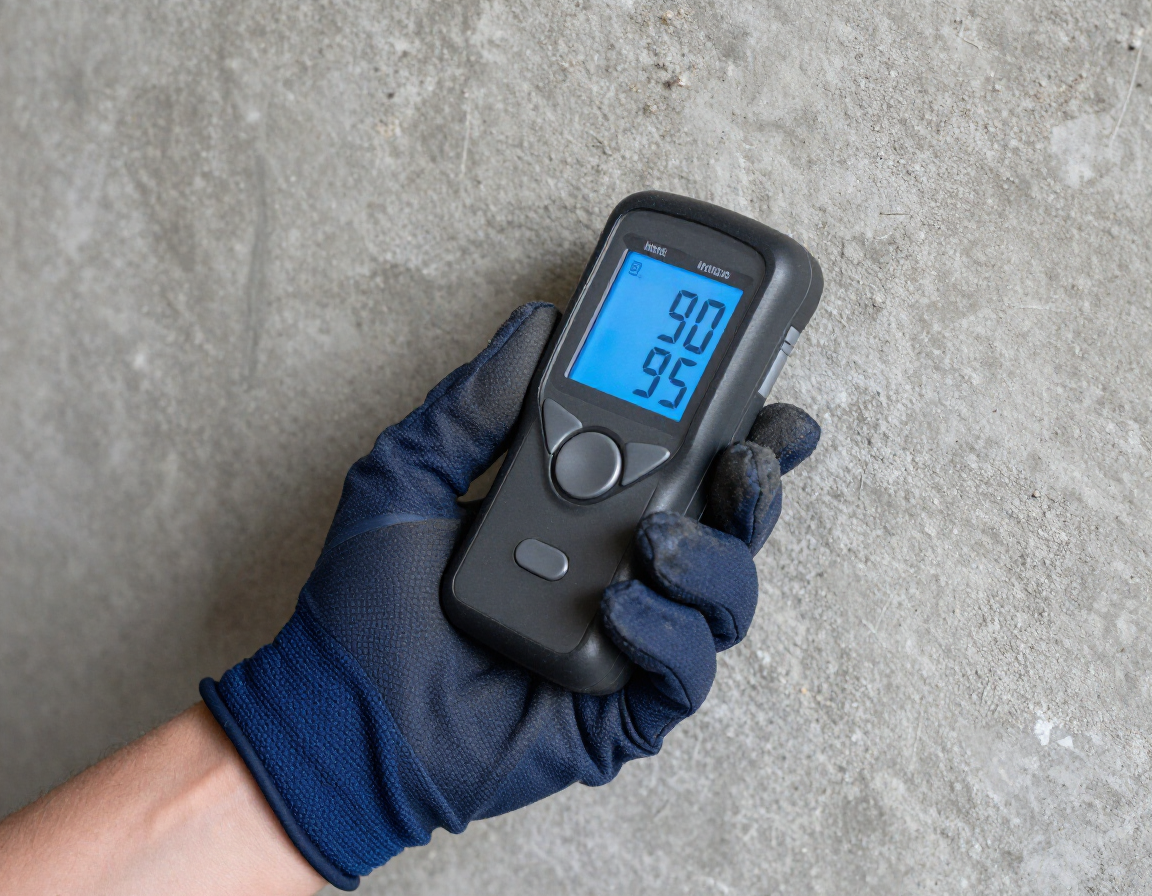
We also pay close attention to the ventilation in bathrooms and kitchens. These areas generate significant moisture, and if fans are not properly vented to the exterior, they can dump humid air into the attic. This often results in "attic mold," a common finding in New Brunswick homes. By identifying these ventilation failures, we help homeowners prevent long-term health issues and costly professional cleanup services. For businesses, we offer similar scrutiny through our commercial property inspection services.
Understanding Your Inspection Report
After the physical walk-through is complete, you will receive a detailed inspection report. At Trueform Inspections, we believe the report should be more than just a list of problems; it should be a roadmap for your property. Our reports include high-resolution photos, clear descriptions of every defect, and professional recommendations for the next steps. We categorize findings into "Major Concerns," "Maintenance Items," and "Safety Issues" so you can quickly see what needs immediate attention.
- Photo Evidence: Clear visuals of every noted defect.
- Repair Estimates: General guidance on the scope of work.
- Priority Ranking: Knowing what to fix first.
- System Overviews: Summaries of each major house component.
- Safety Notices: Urgent warnings about fire or shock hazards.
Key Takeaways for Property Owners
A home inspection is an essential step in protecting your investment, whether you are buying a new house or maintaining your current one. By understanding what is included, you can approach the process with confidence and use the results to make informed decisions. Remember that a home is a dynamic system; even if everything looks good today, regular inspections every few years can help you catch small issues before they escalate into major repairs. If you are ready to book your next assessment, contact us today to secure a spot with our experienced team.
In summary, a New Brunswick home inspection is a deep dive into the safety and longevity of your property. It covers the exterior, roof, foundation, and all internal mechanical systems. By focusing on regional challenges like moisture and winter weather, Trueform Inspections provides the clarity you need to move forward with your real estate goals. Don't leave your biggest investment to chance—invest in a professional inspection and gain peace of mind.
Recent Posts