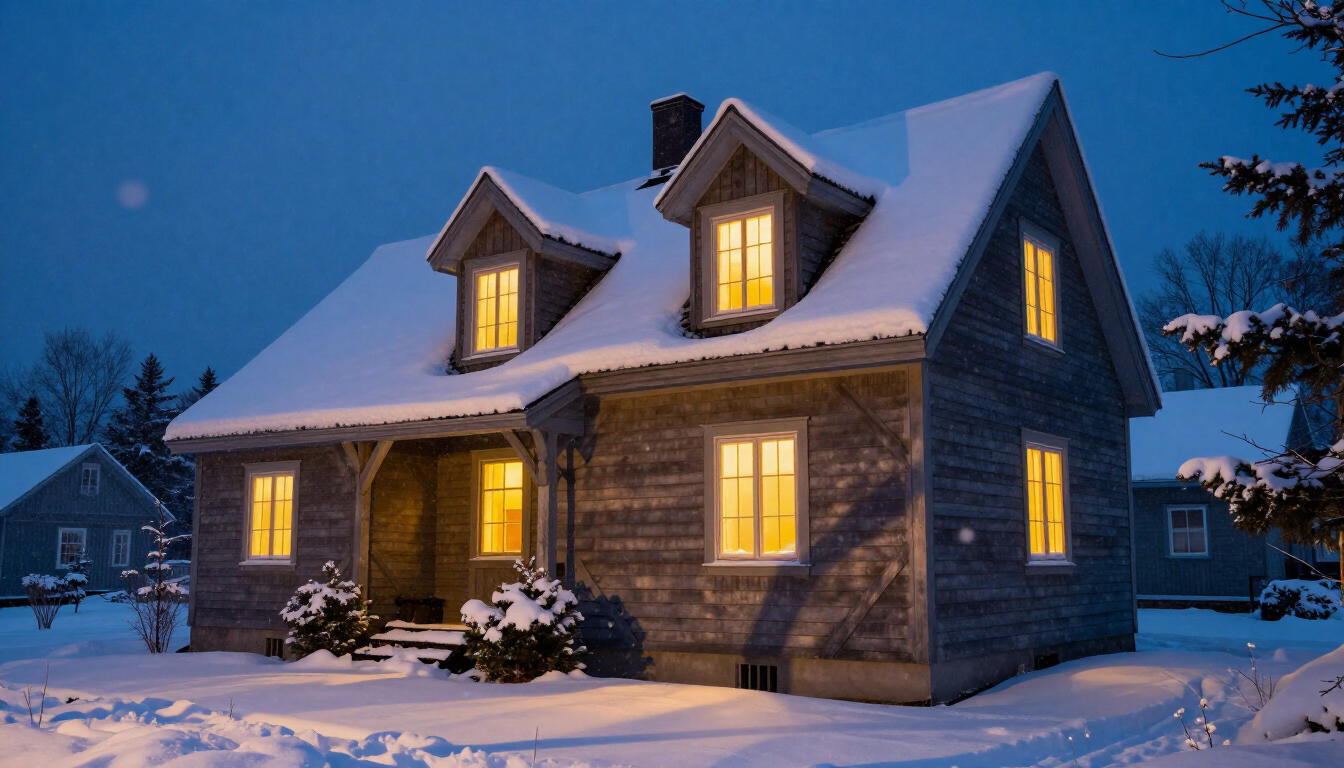
Can You Fail a Home Inspection in Canada? (5 Key Facts)
In Canada, a home inspection is an objective assessment of a property's condition rather than a pass/fail test. You cannot "fail" an inspection; instead, the report identifies defects, safety concerns, and maintenance needs, allowing buyers to decide if the property meets their standards or requires further price negotiations.
TL;DR: The Quick Answer
- No "Pass/Fail": Inspectors provide a snapshot of condition, not a grade.
- Buyer Choice: You decide if the issues found are deal-breakers.
- Major Red Flags: Foundation issues, outdated wiring (Knob and Tube), and mold are common concerns.
- Negotiation Tool: Reports help you ask for repairs or price drops.
- Professional Help: Local experts like Trueform Inspections help navigate these findings.
Why You Can’t Technically Fail a Home Inspection
The term "failing a home inspection" is a common misconception in the Canadian real estate market. Unlike a driver’s test or a university exam, a home inspection does not result in a certificate of success or a notice of failure. Instead, it is a comprehensive residential property inspection designed to provide a deep dive into the home’s current health.
When a professional inspector walks through a property in Fredericton or Oromocto, they are looking for functional defects and safety hazards. Their job is to document the state of the roof, the integrity of the foundation, the safety of the electrical system, and the efficiency of the HVAC. Because every home—even a brand-new build—will have some issues, the goal isn't to find a "perfect" house. The goal is to ensure the buyer knows exactly what they are signing up for before the deal closes.

What Does a Home Inspection Report Actually Tell You?
A home inspection report is a detailed roadmap of a property’s future maintenance and immediate repair needs. In Canada, many inspectors follow the CSA A770 standard, which provides a framework for what must be inspected.
The report typically categorizes findings into several levels of urgency:
- Safety Hazards: Immediate threats like frayed wiring or gas leaks.
- Major Defects: Issues that cost significantly to repair, such as a failing furnace or structural cracks.
- Minor Defects: Small maintenance items like a leaky faucet or a cracked window pane.
- Maintenance Items: Reminders for the future, like cleaning gutters or replacing HVAC filters.
By reviewing these details, buyers can move away from the emotional excitement of the "perfect kitchen" and look at the realistic financial commitment of the physical structure. For more information on what we cover, visit our services page.
What Are the Most Common Home Inspection Red Flags in Canada?
While you can't fail, there are certain "red flags" that frequently lead buyers to reconsider their purchase. In the climate of New Brunswick, we see specific issues more often than others.
1. Foundation and Structural Integrity
Cracks in the foundation can range from simple settlement (minor) to horizontal shifts that indicate a structural failure (major). Moisture in the basement is a common byproduct of foundation issues in Fredericton due to our freeze-thaw cycles.
2. Outdated Electrical Systems
Older homes may still have Knob and Tube wiring or aluminum wiring. Many Canadian insurance companies will refuse to insure a home with these systems until they are updated, which can be a significant expense for a new homeowner.
3. Roofing Issues
A roof at the end of its life isn't just a leak risk; it’s a high-cost replacement item. Inspectors look for curling shingles, missing granules, and improper flashing that could lead to water damage in the attic.
4. Mold and Moisture Intrusion
High humidity or past flooding can lead to mold growth in crawlspaces and attics. Because mold can impact indoor air quality and health, it is often viewed as one of the most serious findings in a report.
5. Plumbing Problems
From Poly-B piping (known for leaking) to lead pipes or simply poor DIY repairs, plumbing issues can cause hidden damage behind walls that is expensive to remediate.
Can a Home Inspection Stop a Sale or Financing?
While the inspector doesn't kill the deal, the results of the inspection can trigger a chain of events that stops a sale. In Canada, most real estate offers are "conditional on inspection." This means if the report reveals issues the buyer isn't comfortable with, they can legally withdraw their offer without penalty.
Furthermore, lenders and insurance companies play a role. If a commercial property inspection or residential report highlights a safety issue that makes the home uninsurable, the bank may pull the mortgage approval. In this sense, the house "fails" the requirements for financing, even if the inspector never used the word "fail."
Essential Home Inspection Checklist for Canadian Buyers
To get the most out of your inspection, it helps to know what to keep an eye on during the walkthrough. While your inspector will do the heavy lifting, being an observant buyer is always beneficial.
- Exterior: Check for grading that slopes toward the house and clear signs of wood rot on decks.
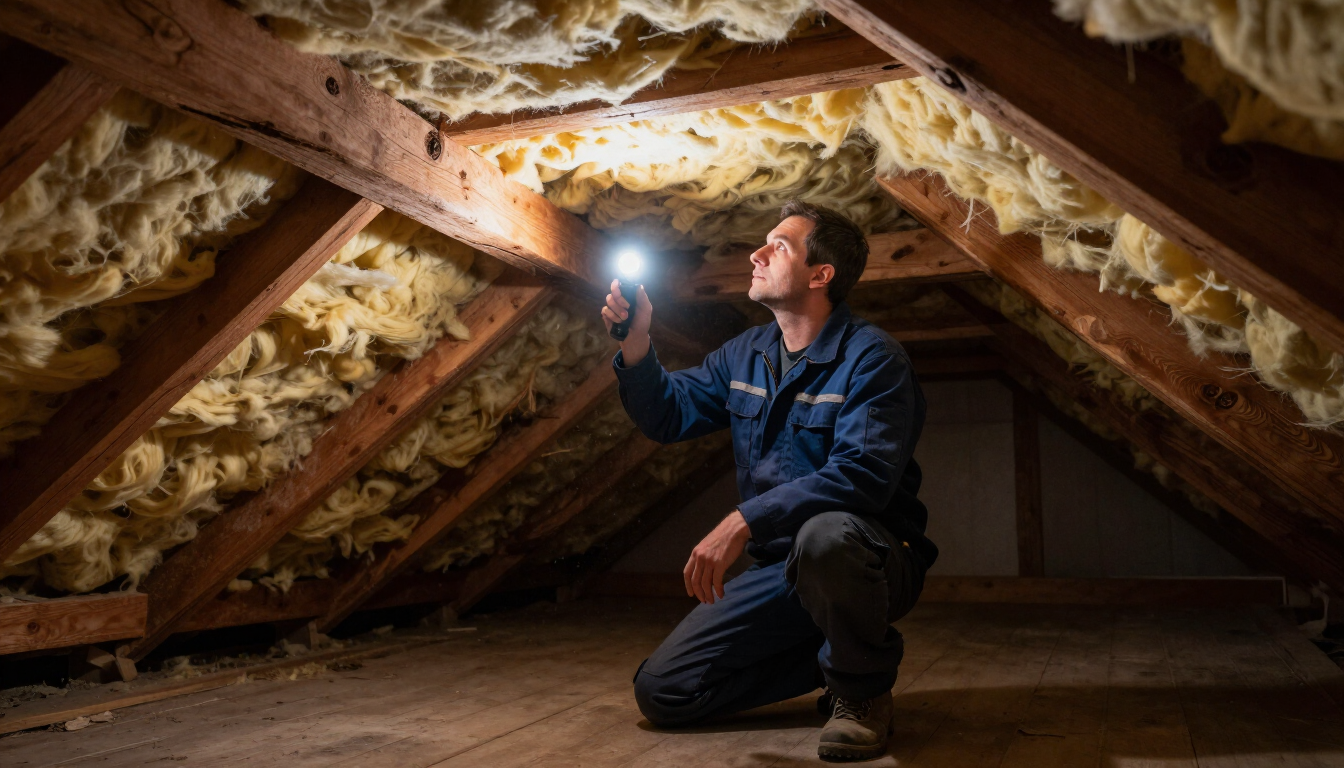
- Attic: Look for dark staining on the underside of the roof deck, which indicates leaks or poor ventilation.
- Windows: Test for drafts and look for fogging between panes, indicating a broken seal.
- Basement: Smell for mustiness and look for white, powdery deposits (efflorescence) on concrete walls.
- Appliances: Ensure all included appliances are functioning through a basic cycle.
What Should a Buyer Do After Receiving a Challenging Report?
If your report comes back with a long list of repairs, don't panic. Almost every home in New Brunswick has a few skeletons in the closet. Your next steps depend on the severity of the findings and your budget.
- Request Repairs: Ask the seller to fix specific safety or structural issues before closing.
- Negotiate Price: Request a reduction in the sale price to cover the cost of the repairs you will have to make.
- Request a Credit: Ask for a "closing credit" where the seller pays a portion of your closing costs to free up your cash for repairs.
- Consult Specialists: If a major issue is found, bring in a plumber, electrician, or structural engineer for a quote.
- Walk Away: If the issues are too vast or the seller won't budge, use your inspection condition to exit the deal.
The Role of a Professional Inspector in Fredericton
At Trueform Inspections, we believe that clarity is the most important part of our job. We aren't just there to point out what’s wrong; we are there to explain why it matters and how it affects your investment. Whether you are a first-time buyer in New Maryland or a seasoned investor in Oromocto, having a local expert who understands the unique challenges of New Brunswick homes is vital.
Conclusion: Making Informed Decisions
In summary, you cannot fail a home inspection in Canada because the process is not a test, but a discovery mission. The report serves as a vital tool for risk management, allowing you to understand the true condition of a property before committing to a mortgage. While "red flags" like structural issues or outdated wiring can be intimidating, they are simply data points to help you negotiate or decide if a house is the right fit for your lifestyle and budget. By focusing on the facts provided in a professional report, you can move forward with the confidence that your new home is a sound investment rather than a hidden burden.
Core Takeaways:
- The inspection report is a neutral assessment of the property's condition.
- Use the findings to negotiate repairs or price adjustments with the seller.
- Focus on safety and structural integrity over cosmetic updates.
- Always hire a qualified local inspector to ensure the report is accurate and thorough.
Recent Posts