5 Common Issues in Fredericton Home Inspections
Common issues found during home inspections in Fredericton typically include roofing damage from heavy snow loads, foundation cracking due to the regional freeze-thaw cycle, outdated electrical systems like knob-and-tube wiring, basement moisture infiltration, and poor attic ventilation. Identifying these problems early through a professional Residential Property Inspection is crucial for any real estate transaction in New Brunswick.
TL;DR: Quick Summary of Common Issues
If you are in a hurry, here is the essential breakdown of what usually surfaces during a home inspection in the Fredericton and Oromocto area:
- Roofing Concerns: Damage from ice dams and aging asphalt shingles are the most frequent culprits.
- Foundation Issues: Minor settlement cracks are common, but wide vertical or horizontal shifts require expert evaluation.
- Moisture and Mold: Basement dampness is a reality for many local homes due to high water tables and heavy spring thaws.
- Systems Overload: Outdated plumbing (galvanized) and electrical (aluminum or ungrounded) appear often in older character homes.
- Grading and Drainage: Poor soil sloping around the foundation often leads to water ingress.
What are common issues found during home inspections in Fredericton?
In the Fredericton real estate market, the age and location of a property often dictate the types of issues a home inspector will uncover. For instance, homes in the historic "Hill" district frequently show different signs of wear than newer builds in suburban New Maryland. However, regardless of the age, several recurring themes emerge during home inspections in Fredericton .
The first recurring issue is the natural degradation of building materials. Given the extreme temperature swings in New Brunswick—ranging from +30°C in the summer to -30°C in the winter—materials like wood, vinyl, and asphalt expand and contract aggressively. This constant movement leads to loosened siding, cracked seals around windows, and degraded caulking, which can allow air and moisture to penetrate the home’s envelope.
Another significant finding often relates to deferred maintenance. Homeowners may overlook minor leaks or small cracks that, over time, evolve into substantial repairs. A professional inspector looks for these "early warning signs" to prevent the new owner from inheriting a financial burden. For more information on how we identify these, visit our About page.
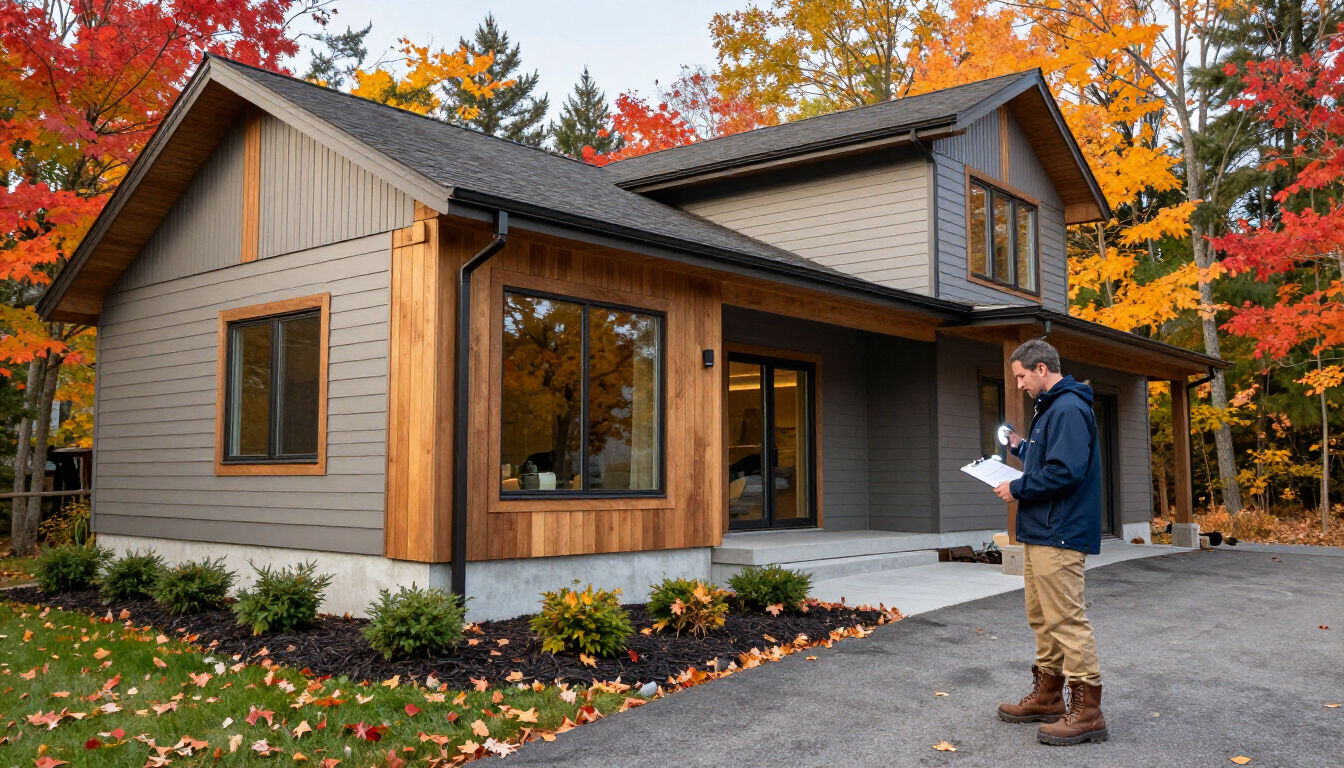
Structural and Foundation Integrity in NB Soils
The geography of the Saint John River valley plays a massive role in the structural health of local properties. Many areas in Fredericton have clay-heavy soil, which is notorious for its "shrink-swell" capacity. When it rains, the clay absorbs moisture and expands; during dry spells, it contracts. This movement puts immense pressure on foundation walls.
During a property inspection, we specifically look for:
- Step Cracks: Often found in brickwork or concrete blocks, following the mortar lines.
- Horizontal Cracks: These are generally more concerning as they may indicate lateral pressure from the surrounding soil.
- Efflorescence: A white, powdery substance on foundation walls that signals water is moving through the concrete.
- Sloping Floors: Often an indicator of post-and-beam settlement in older basements or crawlspaces.
If a foundation issue is identified, it doesn’t always mean the deal is off. Many cracks can be professionally injected with epoxy or polyurethane, and grading can be corrected to redirect water. However, understanding the severity is the first step in protecting your investment.
How does the Fredericton climate impact residential roofing?
The roof is a home’s first line of defense, and in New Brunswick, that defense is tested daily. One of the most common issues discovered during home inspections in Fredericton is premature roof failure caused by ice damming. Ice dams occur when heat escapes into the attic, melts snow on the roof, and the water then refreezes at the colder eaves, creating a block that forces water under the shingles.
Inspectors frequently find:
- Improper Attic Ventilation: If an attic cannot breathe, heat builds up, leading to ice dams and mold growth on the underside of the roof deck.
- Missing or Damaged Shingles: High winds and heavy snow can rip away tabs or cause gravel loss, leaving the underlayment exposed to UV rays.
- Flashing Failures: The metal transitions around chimneys and valleys are often the first points of water entry if they aren't sealed or installed correctly.
- Gutter Issues: Gutters that are pulled away from the fascia by heavy ice loads can cause water to rot the wood behind the metal.

Assessing Electrical and Plumbing Systems in Older Homes
Fredericton is blessed with a wealth of beautiful older homes, but these properties often carry the legacy of outdated building codes. During a Commercial Property Inspection or a residential one, the electrical panel is a high-priority area. We often encounter 60-amp or 100-amp services that are simply insufficient for modern life, leading to overloaded circuits and potential fire hazards.
Specific electrical concerns include:
- Knob and Tube Wiring: Found in homes built before the 1950s; many insurance companies will not cover homes with active knob and tube.
- Aluminum Wiring: Common in the late 1960s and early 70s; if not properly terminated at outlets, it can cause overheating.
- Double-Tapped Breakers: Where two wires are connected to a single-pole breaker designed for only one.
On the plumbing side, we look for signs of "Poly-B" piping, which was common in the 80s and 90s and is prone to leakage at the joints. Galvanized steel pipes are also a frequent find in older downtown Fredericton homes, often resulting in low water pressure and internal corrosion that can eventually lead to pinhole leaks.
Why is moisture and basement dampness a frequent finding?
Moisture is perhaps the single biggest enemy of a home’s longevity. In Fredericton, the combination of heavy spring snowmelt and seasonal rainfall means that basements are under constant threat. A home inspection often reveals that "dry" basements are actually harboring hidden moisture behind finished walls.
Using moisture meters and thermal imaging, inspectors can detect dampness that isn't visible to the naked eye. The source is frequently external: clogged gutters, downspouts that discharge too close to the foundation, or soil that slopes toward the house rather than away. Correcting these surface drainage issues is often the simplest and most effective way to prevent basement flooding.
We also examine the health of the sump pump system. In many local neighborhoods, a sump pump is not a luxury—it is a necessity. If a pump is old, lacks a battery backup, or discharges into the municipal sewer (which is often restricted), it will be flagged in our report. For more details on our reporting process, check out our Trueform Knowledge Hub .

Summary of Key Inspection Takeaways
A home inspection is designed to give you a clear, objective picture of a property's condition. While no home is perfect, understanding the "top issues" allows you to prioritize repairs and negotiate fairly. In Fredericton, the most common findings are manageable if caught early.
To ensure your home remains safe and efficient, keep these points in mind:
- Prioritize the Envelope: Focus on the roof, foundation, and windows first to keep the weather out.
- Monitor Moisture: Be vigilant about basement dampness and humidity levels in the attic.
- Update Safely: If your home has legacy wiring or plumbing, consult a professional to plan for modern upgrades.
Ready to book your next inspection? Contact Trueform Inspections today to schedule a detailed review of your residential or commercial property in the Fredericton area.
Recent Posts