5 Ways to Solve Basement Moisture in Fredericton Homes
Moisture and mold issues in Fredericton basements typically stem from hydrostatic pressure, poor drainage, or seasonal high humidity. Addressing these involves identifying foundation cracks, improving exterior grading, and maintaining proper ventilation. A professional residential property inspection is the most effective way to pinpoint source causes and ensure structural safety.
Why is moisture common in Fredericton basements?
Fredericton's geography and climate create a unique set of challenges for homeowners. Nestled in the Saint John River valley, the city experiences high levels of annual precipitation and significant seasonal temperature swings. The local soil composition, often a mix of heavy clay and sandy loam, plays a critical role in how water interacts with residential foundations. Clay-heavy soil, common in many parts of New Brunswick, tends to retain water rather than allowing it to drain freely. This retention leads to saturated ground conditions surrounding a home's foundation walls, creating a constant source of potential moisture intrusion.
Furthermore, the water table in certain low-lying areas of Fredericton and Oromocto can be quite high, especially during the spring freshet. When the Saint John River rises, the surrounding groundwater levels often follow suit. This upward pressure, combined with the lateral pressure from saturated soil, forces moisture through even the smallest pores in concrete or stone foundations. Many older homes in the downtown plat or the historic districts of New Maryland feature stone or brick foundations which, while architecturally significant, are more permeable than modern poured concrete. These older structures require a more vigilant approach to moisture management to prevent the decay of original structural elements.
The relationship between seasonal snowmelt and foundation leaks
In New Brunswick, the transition from winter to spring is the most volatile time for basement health. The phenomenon known as the "spring thaw" involves the rapid melting of accumulated snowpacks, often accompanied by heavy spring rains. When the ground is still partially frozen, it cannot absorb this influx of water. This creates excessive surface runoff that seeks the path of least resistance, which is frequently the disturbed soil immediately surrounding a home’s foundation—the backfill zone. If this soil hasn't been properly compacted or sloped, it acts like a funnel, directing thousands of gallons of water toward the basement walls.
Hydrostatic pressure is the primary driver of leaks during this period. As water accumulates against the exterior of the foundation, the weight of that water exerts immense pressure. This pressure can force liquid water through hairline cracks, tie-rod holes, or the seam where the floor meets the wall (the cove joint). Homeowners often notice "weeping" walls or small puddles that appear seemingly out of nowhere during a week of heavy rain or rapid melting. At Trueform Inspections , we emphasize that even a small amount of seasonal seepage can lead to long-term structural issues if the freeze-thaw cycle causes those small cracks to expand over time through frost heaving and ice wedging.

How can you tell if mold is a serious problem?
Mold is often a silent companion to moisture, and identifying it early is key to maintaining a healthy indoor environment. While some mold is visible, such as black or green spotting on drywall and floor joists, other signs are more subtle. A persistent, musty odor—often described as "earthy" or like damp wood—is a primary indicator that mold colonies are active behind walls or under flooring. In the Fredericton area, where many basements are finished as secondary living spaces or rental units, hidden mold can pose a significant health risk to occupants, leading to increased instances of allergies or respiratory irritation.
Beyond visual and olfactory cues, you should look for physical indicators of chronic dampness. Efflorescence, a white, chalky substance found on concrete walls, is actually salt left behind as water evaporates. While efflorescence itself isn't mold, it proves that moisture is moving through the wall, creating the ideal conditions for mold growth. Peeling paint, warped wood trim, and rusted carpet tack strips are also red flags. If you or your family members experience unexplained sneezing, itchy eyes, or skin rashes specifically when spending time in the lower level of your home, it is a strong signal that an air quality assessment or a detailed residential property inspection is necessary to evaluate the extent of the biological growth.
Understanding the structural risks of prolonged moisture
Ignoring a damp basement is more than just an aesthetic or health concern; it is a structural liability. Prolonged exposure to high humidity and liquid water can compromise the integrity of almost every material used in residential construction. Wood, specifically the sill plates and floor joists that sit atop the foundation, is highly susceptible to wood-destroying fungi (rot). Once rot sets in, the structural capacity of the timber decreases, leading to sagging floors and potentially catastrophic failure of load-bearing elements. This is particularly concerning in older Fredericton homes where the original timber may not have been pressure-treated.
Concrete and masonry are also not immune to the effects of water. While we think of concrete as a solid, permanent material, it is actually porous. Constant moisture saturation can lead to the corrosion of the steel reinforcement bars (rebar) embedded within the concrete. As rebar rusts, it expands, causing the surrounding concrete to crack and flake away—a process known as spalling. In extreme cases, the structural wall can bow inward or settle unevenly, resulting in significant repair costs that far exceed the price of early prevention. For those managing multi-unit buildings or office spaces, a commercial property inspection can help identify these risks before they impact the safety of tenants or the value of the investment.
What are the most common sources of basement dampness?
Before implementing expensive fixes, it is crucial to understand that most basement moisture comes from manageable sources. In our experience across the New Maryland and Oromocto areas, we find that the vast majority of leaks are caused by exterior conditions that can be corrected with relative ease. Identifying the source is the first step in our services at Trueform Inspections, as we believe in addressing the root cause rather than just treating the symptoms. Common culprits include:
- Improper Grading: Soil sloping toward the house instead of away from it.
- Clogged Gutters: Debris-filled gutters that overflow directly next to the foundation.
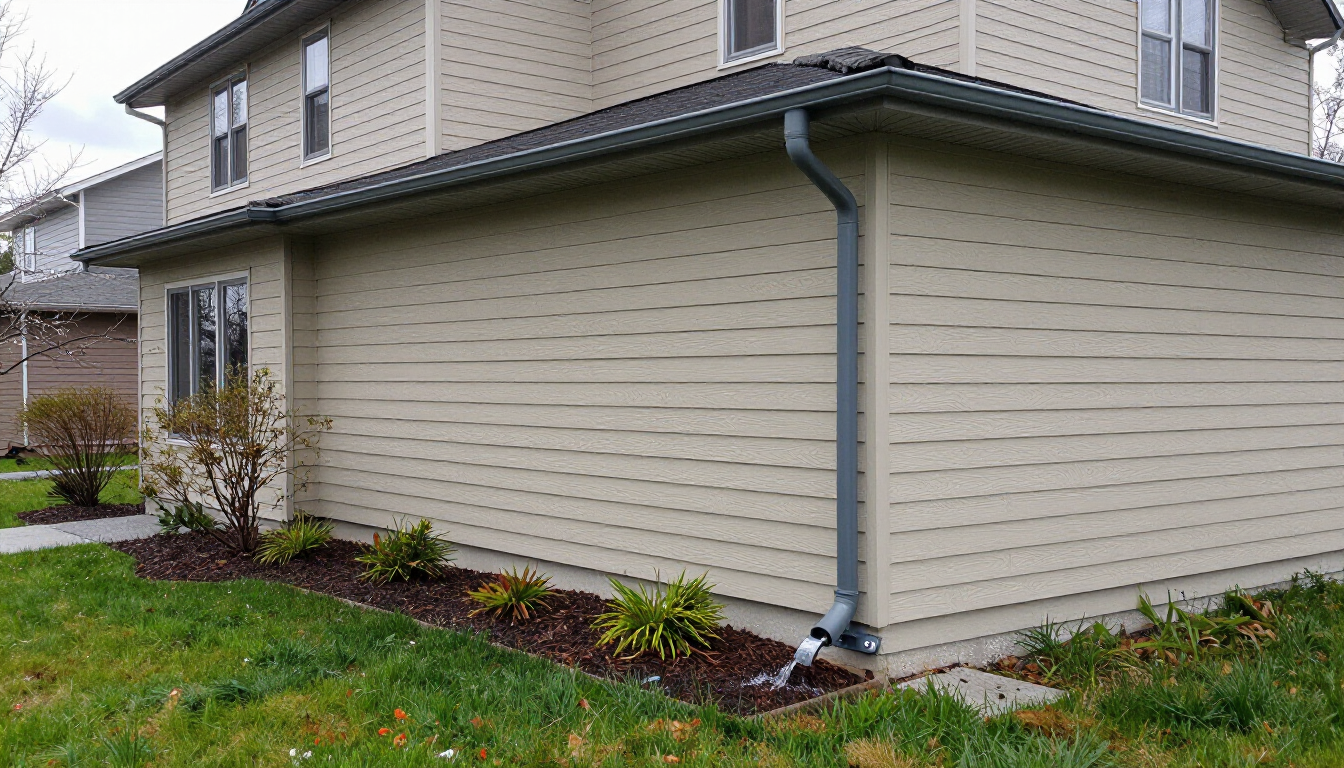
- Short Downspouts: Downspouts that discharge water less than six feet from the wall.
- Window Well Issues: Accumulated leaves or poor drainage in basement window wells.
- Interior Humidity: Lack of proper ventilation or a missing dehumidifier in summer months.
Interior sources should also not be overlooked. Leaking pipes, condensation on cold water lines, and poorly vented clothes dryers can contribute significantly to the overall moisture load of a basement. In many finished basements, a slow leak from a bathroom or laundry area can remain hidden behind drywall for months, allowing mold to flourish in the dark, damp cavity. Consistent monitoring of these utility areas is a vital part of proactive homeownership in the Maritimes.
Strategies for effective exterior water management
The best defense against a wet basement is a good offense on the outside of the home. Managing water before it ever reaches your foundation is the most cost-effective way to protect your property. Start by inspecting your landscaping during a heavy rainstorm. If you see water pooling against the house, you need to add clean fill dirt to create a slope that drops at least one inch per foot for the first six to ten feet away from the foundation. This simple grading correction can resolve up to 80% of minor basement dampness issues.
Maintaining your gutter system is equally critical. In Fredericton, where deciduous trees are plentiful, gutters can become clogged twice a year—once in the spring with seedlings and again in the fall with leaves. An overflowing gutter system can dump hundreds of gallons of water in a single spot, saturating the soil and overpowering even the best foundation waterproofing. Ensure your downspouts have extensions that carry water well away from the backfill zone. If your yard is flat, consider installing a French drain system or a dry well to provide a designated area for runoff to collect and slowly permeate back into the ground safely away from the structure.
How does a professional inspection identify hidden mold?
A professional inspector brings tools and expertise that go far beyond a simple visual check. At Trueform Inspections, we use advanced technology to see what the naked eye cannot. Infrared thermal imaging, for example, allows us to detect temperature anomalies behind finished walls. Because moisture is typically cooler than the surrounding materials, it shows up as a distinct dark spot on the thermal camera, even if the drywall feels dry to the touch. This non-invasive technique is invaluable for identifying leaks in finished basements without having to cut into the walls.
Moisture meters are another essential tool in our kit. We use both pin-type and pinless meters to measure the moisture content of various building materials, such as wood, drywall, and concrete. By establishing a baseline for the home and comparing it to readings in suspected problem areas, we can determine if a stain is old and dry or currently active. If mold is suspected, we can also coordinate air quality testing to identify specific spore counts and types, providing you with a clear roadmap for remediation. Our Trueform Knowledge Hub offers further insights into how these technologies help safeguard your investment.
Essential maintenance for Fredericton homeowners
Living in a climate like ours requires a commitment to seasonal maintenance. By staying ahead of potential issues, you can prevent small moisture problems from turning into major mold remediation projects. We recommend a twice-yearly inspection of your home’s basement and exterior systems. If you are unsure of where to start, feel free to contact us for a professional assessment or a consultation on your home's current condition. A proactive approach is always more affordable than a reactive repair.
Your maintenance checklist should focus on keeping water away and managing the air inside. Below are five critical steps every Fredericton homeowner should take:
- Clean Gutters and Downspouts: Perform this every spring and fall without fail.
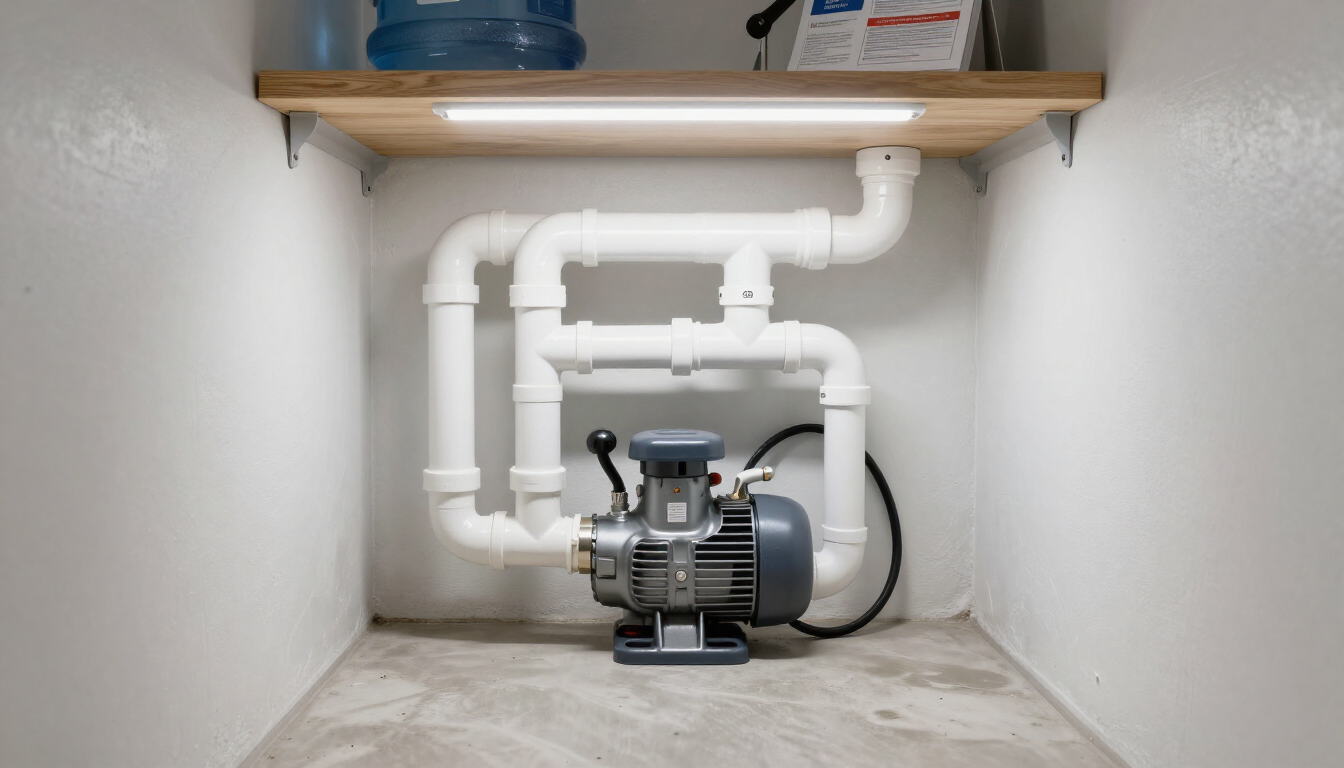
- Test Sump Pumps: Pour water into the pit to ensure the float switch and pump activate.
- Check Grade and Soil: Look for sunken areas near the foundation after the spring thaw.
- Monitor Humidity: Keep basement humidity below 50% using a high-capacity dehumidifier.
- Inspect Pipes and Joints: Look for signs of condensation or slow drips in utility rooms.
By following these steps, you create a robust defense against the moisture challenges inherent to the New Brunswick landscape. Remember that a dry basement is the foundation of a healthy home. Whether you are preparing to sell your property or have just moved in, understanding these dynamics is essential for long-term peace of mind. For more information about our team and our commitment to detail, visit our About page to see why local residents trust Trueform Inspections for their property needs.
Summary and Key Takeaways
Managing moisture and mold in Fredericton requires a thorough understanding of local soil conditions, seasonal weather patterns, and proper foundation care. By focusing on exterior water management and interior humidity control, most homeowners can maintain a dry, safe basement environment. Key actions include:
- Maintaining a positive slope (grading) away from the foundation walls.
- Ensuring downspouts discharge water at least 6-10 feet away from the home.
- Using dehumidifiers to keep interior relative humidity below 50%.
- Scheduling a professional residential property inspection to identify hidden risks.
- Addressing small leaks immediately to prevent structural rot and mold growth.
If you have concerns about the health of your basement, taking action today will save you significant time and expense in the future. Proper maintenance is the most effective way to protect both your family's health and your home's financial value.
Recent Posts