5 Common Roof Problems Caused by New Brunswick Weather
New Brunswick roof problems are primarily caused by extreme temperature fluctuations, heavy snowfall, and high humidity levels characteristic of the Atlantic climate. These factors lead to ice damming, shingle degradation, and moisture infiltration, which can compromise a building's structural integrity if not identified through regular residential property inspections .
How does New Brunswick weather affect your roof?
The unique climate in the Saint John River Valley, including Fredericton and Oromocto, creates a challenging environment for roofing materials. We experience some of the most dramatic seasonal shifts in Canada, ranging from deep-freeze winters to humid, hot summers. This constant expansion and contraction of materials, known as thermal shock, is a leading cause of premature aging in asphalt shingles.
In our region, the weather doesn't just impact the surface; it affects the entire roofing system, including gutters, fascia, and attic ventilation. When temperatures drop below freezing and then rise quickly during a January thaw, the resulting melt-and-refreeze cycle is devastating for traditional roofing. Understanding these local patterns is the first step in maintaining a healthy home and avoiding costly emergency repairs.
The Impact of Ice Damming on Local Homes
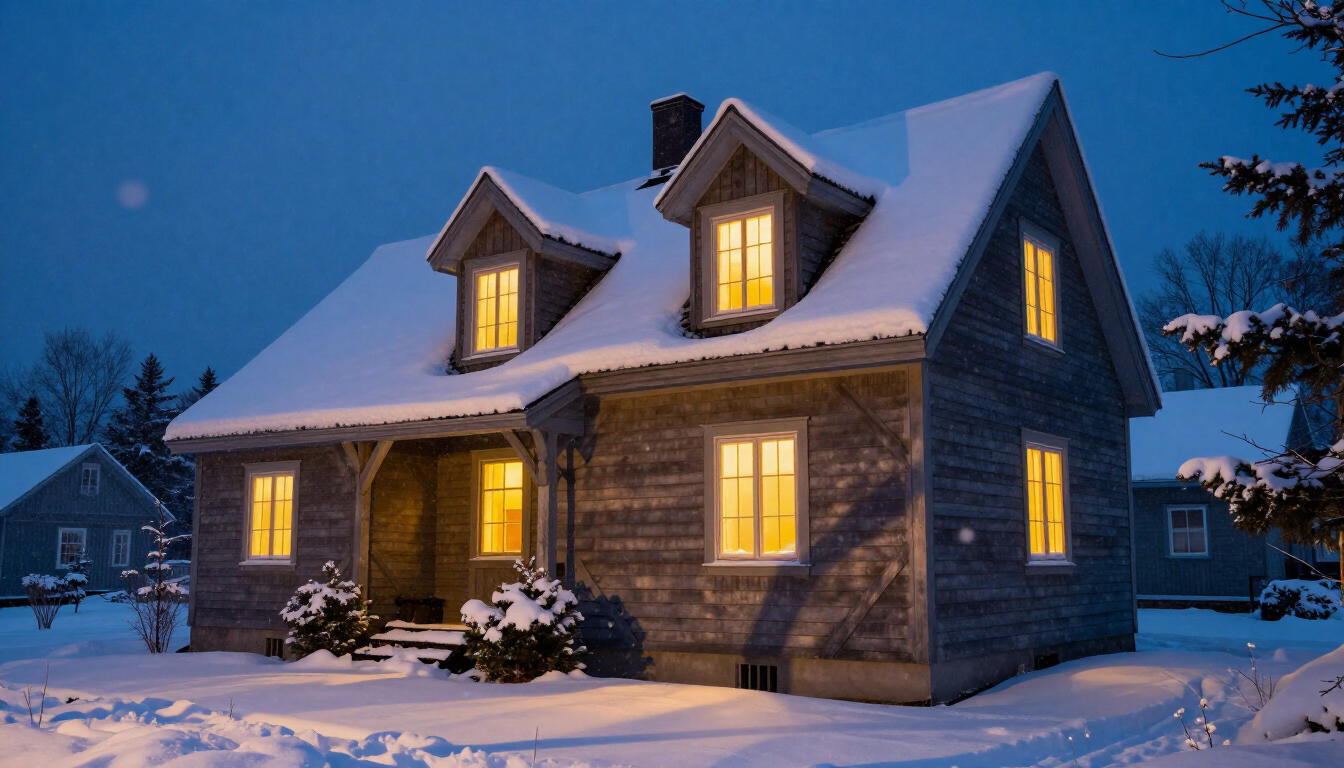
Ice damming is perhaps the most notorious roofing issue in New Brunswick. It occurs when heat escapes from the living space into the attic, warming the roof deck and melting the snow above. This water flows down to the cold eaves, where it refreezes into a thick ridge of ice. This ridge then traps subsequent meltwater, forcing it under the shingles and into your interior walls.
To prevent ice dams, homeowners should focus on:
- Improving attic insulation to R-60 standards
- Sealing air leaks from the ceiling
- Ensuring unobstructed soffit and ridge vents
- Using a roof rake to clear snow
- Installing waterproof ice and water shields
Failure to address ice damming can lead to rotted roof decking, ruined insulation, and mold growth within the home. At Trueform Inspections , we look for the subtle signs of past ice damming, such as water stains in the attic or rusted nails, even during the dry summer months.
Can heavy snowfall cause structural roof damage?
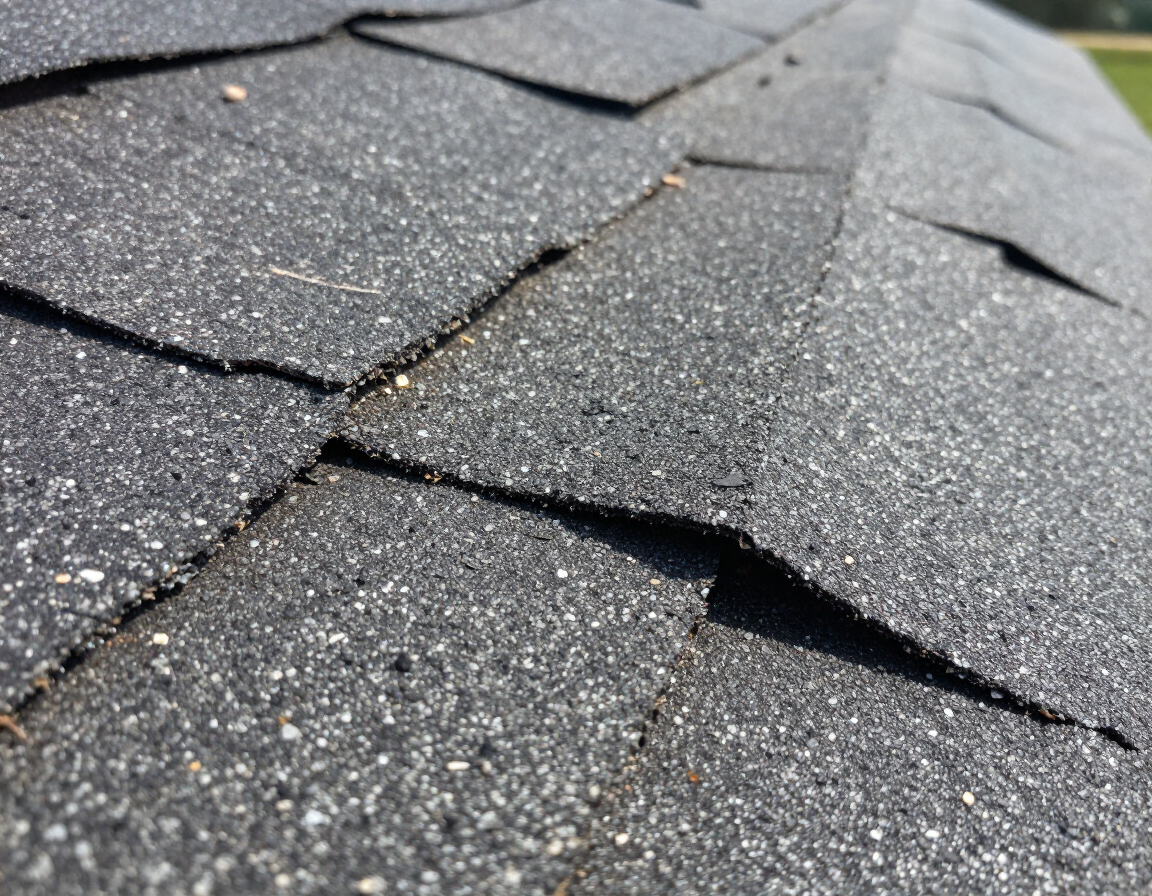
Yes, the weight of accumulated snow—especially the heavy, wet snow common in late winter—can exceed the load-bearing capacity of a roof. In areas like New Maryland and Oromocto, we often see significant accumulation that puts immense pressure on rafters and trusses. If a roof has been modified or has existing rot, this extra weight can lead to sagging or, in extreme cases, partial collapse.
Structural integrity is a core component of our commercial property inspections and residential services. We evaluate the visible framing members in the attic for signs of stress, such as cracking or pulling away from connectors. Snow load issues are often exacerbated by unbalanced loading, where wind blows snow into deep drifts on one side of a peaked roof, creating uneven tension on the structure.
Managing Spring Thaw and Wind Damage
As the snow clears, New Brunswick homeowners often face high-velocity winds and heavy rain. Spring storms can lift aging shingles, particularly if the sealant strips have dried out or if the shingles were installed in cold weather and never properly bonded. This leaves the underlayment exposed to driving rain, which can find its way into the smallest gaps.
Indicators of wind and water damage include:
- Missing or torn asphalt shingles
- Granule loss in the gutter system
- Damaged or lifted metal flashing
- Water spots on upper-level ceilings
- Curled or "fish-mouthed" shingle edges
Regularly checking your yard for shingle debris after a storm is a simple way to monitor your roof's condition. If you find pieces of asphalt or felt paper on the ground, it is a clear sign that the weather has compromised your primary line of defense. It is often wise to consult the Trueform Knowledge Hub for more tips on seasonal maintenance.
Why is attic ventilation crucial in New Brunswick?
In our humid climate, ventilation is just as important as the shingles themselves. Without proper airflow, moisture from daily activities—like showering and cooking—gets trapped in the attic. This moisture condenses on the cold underside of the roof deck, leading to wood rot and black mold. This is why a professional about us page often highlights our commitment to checking non-living spaces during inspections.
Effective ventilation helps in several ways:
- Regulates attic temperatures in winter
- Reduces heat buildup in summer
- Prevents moisture and frost accumulation
- Extends the lifespan of shingles
- Lowers household energy consumption
During the summer, an unventilated attic can reach temperatures exceeding 60°C (140°F). This intense heat literally "bakes" the shingles from the inside out, causing them to become brittle and lose their protective granules much faster than intended. This is why a balanced system of intake (soffits) and exhaust (ridge or gable vents) is non-negotiable for New Brunswick homes.
Why are professional roof inspections necessary?
While many homeowners feel comfortable looking at their roof from the ground, many problems are invisible from the driveway. A professional inspector has the tools and experience to identify "soft spots" in the decking, improper flashing around chimneys, and poor ventilation patterns that the untrained eye might miss.
Investing in an inspection provides:
- A detailed report of current condition
- Estimates on remaining roof life
- Identification of safety hazards
- Peace of mind for buyers/sellers
- Documentation for insurance claims
If you are planning to buy or sell a property in Fredericton or the surrounding areas, a thorough assessment is vital. Contacting us through our contact page can help you schedule a time for an expert to walk your roof and provide the clarity you need to make an informed decision.
Summary of New Brunswick Weather Impact
New Brunswick’s climate presents a unique set of challenges for property owners, primarily through extreme temperature swings and high moisture levels. From the structural stress of heavy snow loads to the subtle but destructive force of ice damming and attic condensation, your roof is under constant pressure. Maintaining a vigilant eye on these issues is essential for long-term property value.
Key Takeaways for Homeowners
- Monitor Ice Dams: Ensure attic insulation and ventilation are adequate to prevent freeze-thaw cycles on the eaves.
- Check After Storms: Look for missing shingles or excessive granule loss after high-wind events or heavy rains.
- Prioritize Ventilation: A cool, dry attic is the best way to prevent mold and extend the life of your roofing materials.
- Professional Assessment: Regular inspections by experts at Trueform Inspections can catch minor issues before they become catastrophic failures.
By understanding the specific risks posed by our local weather, you can take proactive steps to protect your investment and ensure your home remains safe and dry for years to come. For more information on maintaining your property, explore our Services or reach out to our team today.
Recent Posts