Foundation Problems in New Brunswick: What to Watch For
Foundation problems in New Brunswick homes typically stem from the region's intense freeze-thaw cycles, high soil moisture, and varying terrain. Common signs include horizontal or stair-step wall cracks, uneven floors, sticking doors, and basement moisture, requiring professional structural assessment to prevent costly long-term damage to your property.
What causes foundation problems in New Brunswick?
The unique geography and climate of Atlantic Canada create a challenging environment for residential and commercial structures. The primary culprit for most foundation issues in the province is the soil’s reaction to water and temperature. New Brunswick is known for its diverse soil composition, ranging from sandy loams to dense, expansive clays. When these soils become saturated with water during the heavy spring melts or autumn rains, they exert immense hydrostatic pressure against foundation walls.
This pressure can cause walls to bow inward or develop structural fractures. Furthermore, the province's signature freeze-thaw cycles play a devastating role. As water in the soil freezes, it expands, pushing against the concrete. When it thaws, the soil may settle unevenly, leaving voids beneath the footing. Over several seasons, this cycle of expansion and contraction can compromise even the most robustly built homes in Fredericton and Oromocto.
Why are freeze-thaw cycles dangerous for NB foundations?
In many parts of Canada, the ground freezes once and stays frozen until spring. However, in New Brunswick, we often experience multiple "thaw events" throughout the winter. These fluctuations are particularly dangerous because they facilitate a process known as frost heave. Frost heave occurs when ice lenses form in the soil beneath the foundation. As these lenses grow, they lift the structure upward. When the ice melts, the house doesn't always settle back into its original position.
This erratic movement leads to several complications:
- Misalignment of the structural frame
- Stress on plumbing and electrical lines
- Development of micro-fissures in the concrete
- Gaps between the foundation and the sill plate
- Compression of insulation materials in the basement
Common signs of structural foundation issues
Identifying foundation problems early can save homeowners tens of thousands of dollars in remediation costs. While some settling is normal for new builds, certain red flags indicate that the movement is structural rather than cosmetic.
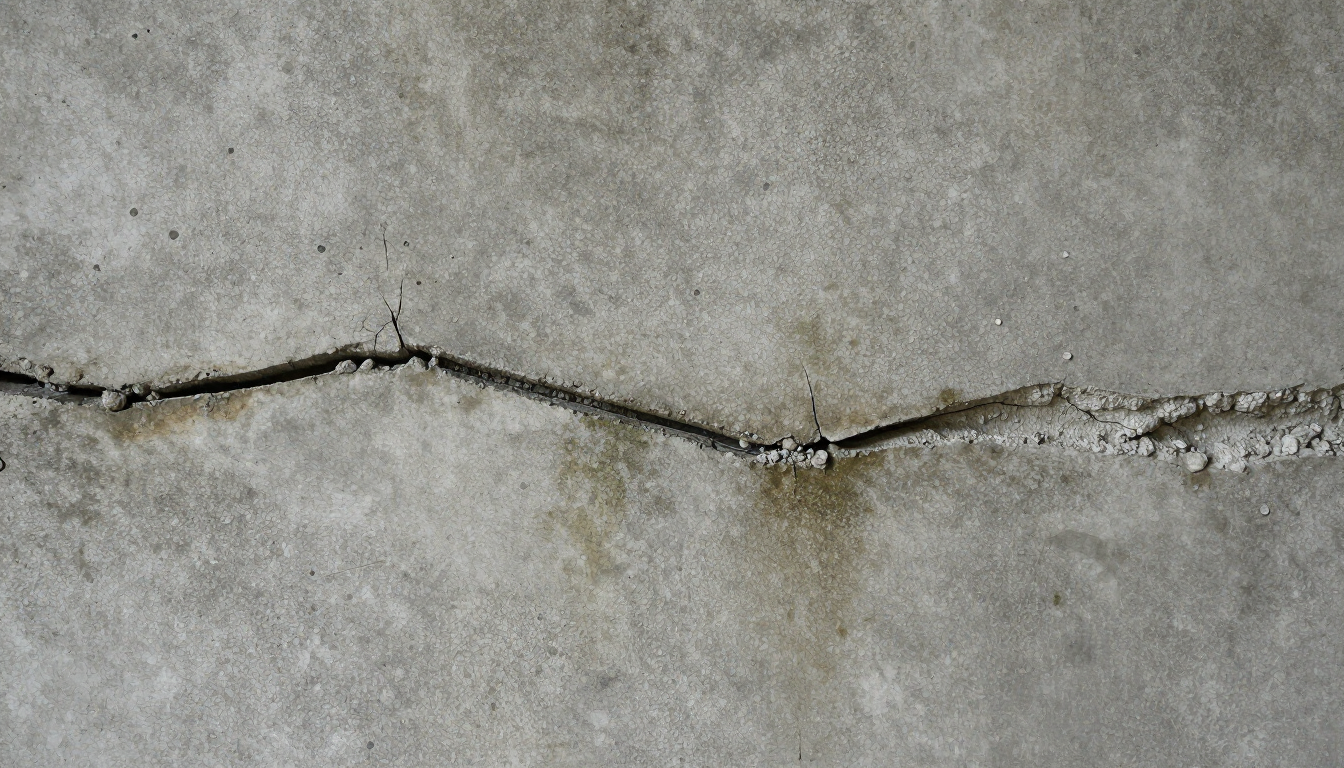
Homeowners should look for the following internal indicators:
- Doors and windows that suddenly stick or refuse to latch
- Large cracks in the drywall, especially around door frames
- Sloping or uneven floors that feel soft underfoot
- Gaps between the wall and the ceiling or floorboards
- Cracks in floor tiles or tearing in linoleum
If you notice these signs, it is essential to look at the exterior of the property as well. External signs are often more telling of the underlying soil conditions and the integrity of the footings. A thorough Residential Property Inspection can help differentiate between minor settling and serious structural failure.
Identifying internal vs. external foundation cracks
Not all cracks are created equal. In New Brunswick, the orientation and width of a crack are the most important factors for an inspector. Vertical cracks are often the result of concrete shrinkage as it cures and are generally less concerning, though they can still allow for moisture seepage. However, horizontal cracks are a major warning sign of hydrostatic pressure. These indicate that the soil outside is pushing the wall in, which could eventually lead to a total wall collapse.
Stair-step cracks in brickwork or concrete blocks are another significant concern. These usually follow the mortar lines and indicate that one corner of the foundation is sinking faster than the rest, a process known as differential settlement. This is common in areas with uneven soil density or where the water table is particularly high.
How can moisture levels impact your home's stability?
Water is the single most influential factor in foundation health. In New Brunswick, we deal with high humidity and significant precipitation. If a property lacks a proper drainage system, water pools around the base of the home. This saturates the "backfill" soil—the soil replaced around the foundation after construction—which is often looser and more porous than the surrounding virgin soil.
Poor water management can lead to:
- Efflorescence (white, powdery mineral deposits on walls)
- Persistent musty odors or visible mold growth
- Sump pump failure due to overwork
- Soil erosion beneath the footings
- Increased humidity levels throughout the entire home
Properly functioning gutters and downspouts are your first line of defense. They should discharge water at least six to ten feet away from the foundation. Additionally, the grade of the land should slope away from the house at a rate of one inch per foot for the first six feet. Without these measures, even the best foundation will eventually succumb to moisture-related degradation.
The impact of soil composition on New Brunswick properties
The soil in the Saint John River Valley is famously complex. In some areas, houses sit on solid bedrock, providing an incredibly stable base. In others, particularly in low-lying areas of Fredericton and New Maryland, the soil contains high levels of silt and clay. Clay is "expansive," meaning it swells significantly when wet and shrinks when dry. During a hot, dry summer, clay can pull away from the foundation, leaving a gap that then fills with water during the next heavy rain.
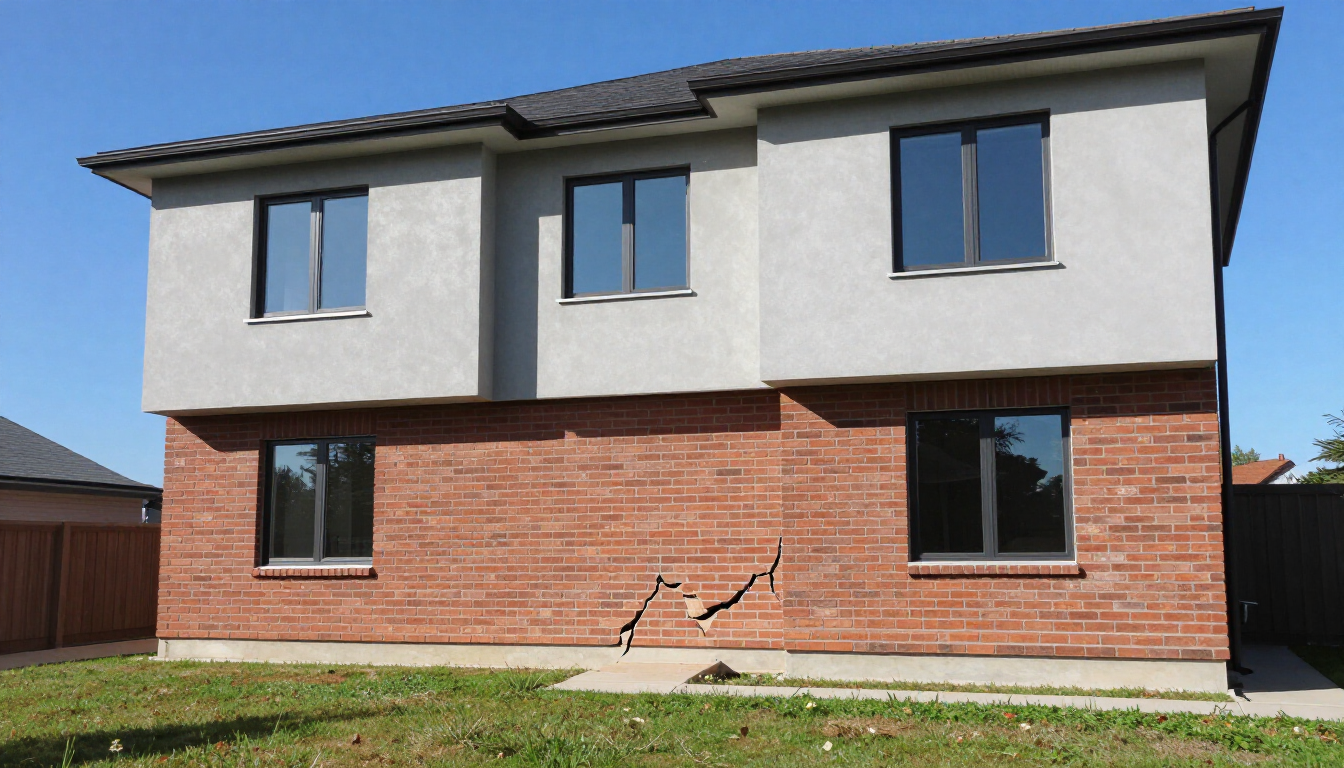
For those managing larger assets, a Commercial Property Inspection is vital because the larger footprint of commercial buildings makes them even more susceptible to varying soil conditions across the site. Understanding the interaction between your building's weight and the specific soil type underneath is the key to long-term structural maintenance.
When should you call a professional property inspector?
You should seek a professional evaluation the moment you notice a change in your home’s geometry or if you find standing water in your crawlspace. Waiting can lead to more than just structural issues; it can lead to health hazards like radon gas intrusion or black mold. A professional inspector uses specialized tools, such as moisture meters and infrared cameras, to see what the naked eye cannot.
Critical times to schedule an inspection include:
- Before purchasing a new or older home
- After a period of extreme drought or flooding
- Before starting a major renovation or basement finishing
- If you notice windows and doors are increasingly difficult to operate
- When selling your home to provide peace of mind to buyers
Professional inspection and long-term protection
At Trueform Inspections, we believe that knowledge is the best tool for any property owner. By identifying foundation problems in New Brunswick homes before they escalate, we help our clients make informed decisions about repairs and maintenance. Whether it's recommending a new drainage system, suggesting foundation reinforcement, or simply providing a clean bill of health, our detailed reports are designed to be clear and actionable. If you suspect your home is experiencing structural shifts, it's time to act. Contact us today to schedule a comprehensive evaluation of your property.
Summary of Key Takeaways
Foundation problems in New Brunswick are a serious concern but are manageable when identified early. The combination of heavy precipitation and extreme temperature swings means every homeowner must stay vigilant.
Here is a summary of what you need to remember:
- Freeze-thaw cycles are the primary driver of structural movement in NB.
- Horizontal and stair-step cracks require immediate professional attention.
- Effective water management through grading and gutters is essential for protection.
- Interior signs like sticking doors often precede visible exterior damage.
- Professional inspections are the only way to accurately assess structural integrity.
By understanding these risks and keeping a close eye on your property, you can ensure your home or business remains a stable and secure investment for decades to come.
Recent Posts